

Dua and Tips to Strengthen Memory for Hifz
Authentic duas for memorization plus practical tips to strengthen your memory for hifz, combining reliance on Allah with habits that aid retention.
Every hafiz eventually feels it: pages that won't settle, verses that slip the moment you look away, a memory that seems weaker than everyone else's. It's discouraging — and it's completely normal.
The believer's response is beautiful in its balance: turn to Allah for help, and take the practical means He has provided. Memorizing the Qur'an is an act of worship and a gift from Allah, and it is also a skill built through consistent, correct effort. This article covers both — the authentic duas and the practical habits — because hifz needs the two together.
Why this matters
The Qur'an itself frames memorization as something Allah makes easy: "And We have certainly made the Qur'an easy to remember, so is there any who will remember?" (Surah Al-Qamar 54:17). That verse is repeated four times in the surah — a reassurance that this is achievable, and that ease comes from Allah.
So the mindset that works is neither "I'll just make dua and it will happen" nor "it's all technique and discipline." It is both: sincere reliance (tawakkul) alongside sincere effort. Relying on one and neglecting the other is where most people struggle.
Authentic duas for memory and knowledge
Use these with presence of heart, not as a magic formula. Their power is in turning to Allah, not in the letters alone.
1. The Qur'anic dua for increased knowledge
رَبِّ زِدْنِي عِلْمًا "Rabbi zidni ilma" — "My Lord, increase me in knowledge."
This is from the Qur'an (Surah Ta-Ha 20:114). It is short, authentic, and perfectly suited to a student. Recite it before you begin memorizing and throughout your day.
2. Dua of Prophet Musa for ease and clarity
رَبِّ اشْرَحْ لِي صَدْرِي وَيَسِّرْ لِي أَمْرِي "Rabbi ishrah li sadri wa yassir li amri" — "My Lord, expand for me my chest and ease for me my task." (Surah Ta-Ha 20:25–26)
A beautiful dua before a study session — asking Allah to open your heart and make the task easy.
3. Make dua in your own words
Beyond the memorized supplications, ask Allah plainly and in your own language: to make memorization easy for you, to keep what you've memorized firm in your heart, to grant you sincerity, and to let the Qur'an be a proof for you and not against you. Dua in your own words, from a sincere heart, is beloved to Allah.
A note on authenticity: you may come across specific "duas for a photographic memory" or elaborate rituals attributed to the Prophet ﷺ. Be careful — many are weak or fabricated. The authentic supplications above, made sincerely, are more than enough. Never let an unverified practice replace them.
The practical means that genuinely help
Dua is the foundation. On top of it, build these habits — the means Allah has placed in the world for memory to work.
Protect your sincerity and your sins
The scholars of the past linked memory directly to the state of the heart. Imam Ash-Shafi'i famously complained to his teacher Waki' about his weak memory, and was advised to abandon sin, for "the knowledge of Allah is light, and the light of Allah is not given to a sinner." Guarding your eyes, tongue, and heart is not separate from hifz — it is part of it.
Recite out loud, from memory
Silent reading builds recognition, not recall. Your memory needs to produce the words, not just recognize them on a page. Close the mushaf and recite aloud — this is the single most effective study habit, and the verses you stumble on are exactly the ones to drill. (More on this in how to memorize the Qur'an without forgetting.)
Memorize at the right time
- After Fajr is widely regarded as the best time — the mind is fresh, the world is quiet, and there is barakah in the early morning.
- Memorize new material when you are most alert; save review for lower-energy times.
Understand what you memorize
Reading the translation and a short tafsir before memorizing gives the words meaning to hang on. Verses you understand stick far better than sounds you don't.
Repeat, connect, and review
- Repeat each new portion many times before moving on.
- Connect the end of today's portion to the start of yesterday's, so the pages link into a chain.
- Review relentlessly. Memory fades without revisiting — a structured revision schedule protects everything you've built.
Look after the body
Memory is physical too. Adequate sleep, staying hydrated, and honey, dates, and other wholesome foods the Sunnah encourages all support a sharp mind. Chronic exhaustion is the enemy of retention.
Common mistakes that weaken memory
- Relying on dua without effort — or effort without dua. Both are needed together.
- Silent reading instead of active recall. It feels productive and quietly fails you.
- Neglecting review to memorize more. New pages you can't hold are steps backward.
- Chasing unauthentic "memory duas" or rituals. Stick to what is confirmed.
- Comparing your memory to others. Everyone's pace differs; compare only to your own last month.
- Studying while distracted or sinful in habit. The heart's state affects retention more than people expect.
And when the effort feels heavy, it is worth remembering what memorizing the Qur'an actually gives you in this life and the next.
Frequently asked questions
What is the best dua for memorizing the Qur'an? The Qur'anic supplication Rabbi zidni ilma ("My Lord, increase me in knowledge," 20:114) is short, authentic, and ideal for students. Combine it with dua in your own words asking Allah to make memorization easy and firm.
Is there a dua for a strong or photographic memory? Be cautious — many such duas circulating online are weak or fabricated. The authentic supplications for knowledge and ease, made sincerely, are sufficient. Don't replace them with unverified practices.
Does making dua alone improve my memory? Dua is essential, but Islam teaches reliance with effort (tawakkul). Make sincere dua and take the practical means — active recall, review, good timing, and guarding against sin.
Why does sin affect memorization? Classical scholars, including Imam Ash-Shafi'i's teacher Waki', taught that knowledge is a light from Allah that is diminished by disobedience. Guarding your heart and limbs supports both your character and your memory.
When is the best time to memorize? After Fajr is widely recommended — the mind is fresh and the early morning carries barakah. More broadly, memorize new material when you are most alert and review at lower-energy times.
How can I stop forgetting what I've already memorized? Forgetting comes from insufficient review, not weak character. Recite out loud from memory daily and follow a structured revision rotation so pages resurface before they fade.
Can food or lifestyle really help memory? Yes — sleep, hydration, and wholesome foods support a sharp mind. They don't replace effort or dua, but chronic exhaustion clearly harms retention.
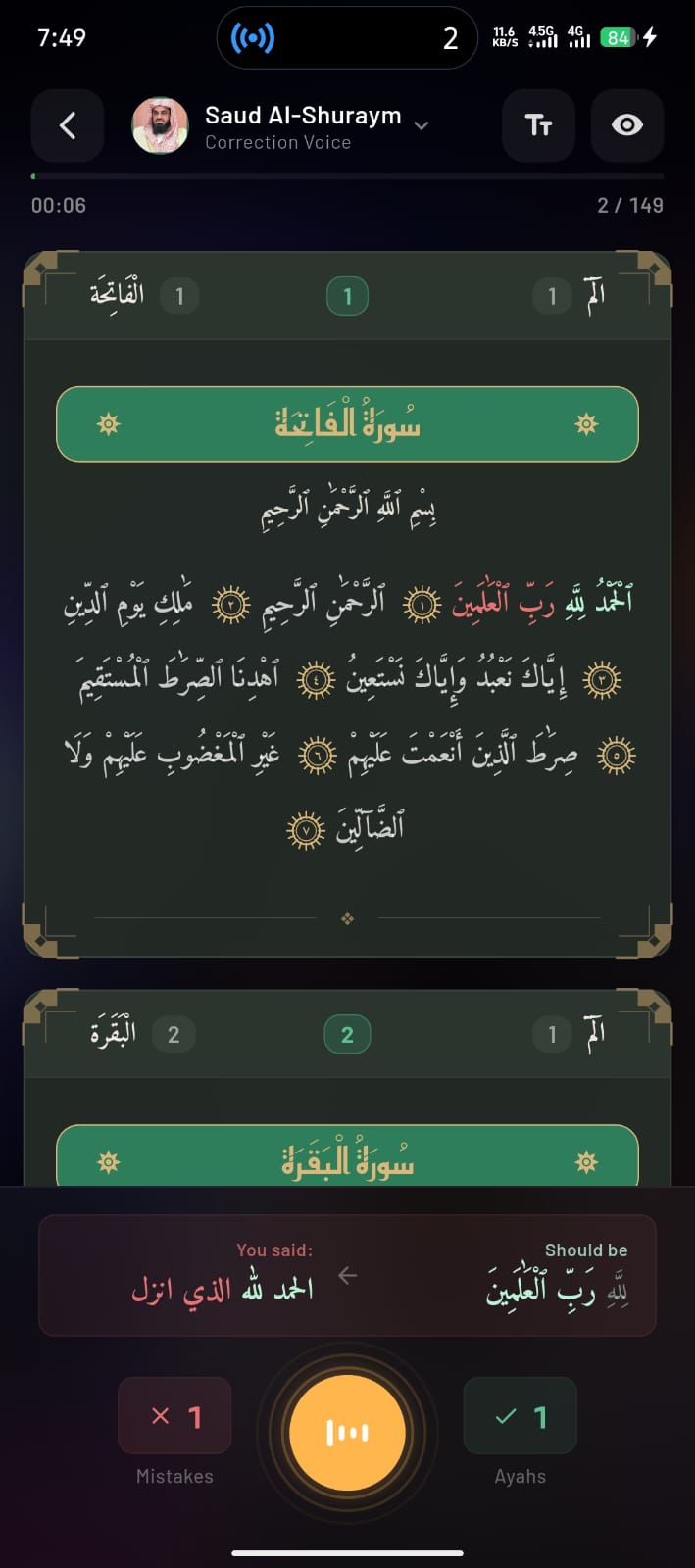
Combining dua with the right daily means is exactly the workflow Hufaaz was built around. You recite out loud, and it catches the precise word you slip on and plays it back correctly in your chosen Qari's voice — turning "I think I know it" into "I know I know it." It also schedules your review so pages resurface right before you'd forget them.
Conclusion
A strong memory for hifz is not simply a talent some are born with. It is built where sincere reliance on Allah meets consistent, correct effort — dua and action, together. Ask Allah to make it easy and firm, guard your heart, recite out loud, understand what you memorize, review without fail, and be patient with your own pace. The One who revealed the Qur'an and promised it would be easy to remember will not abandon the one who turns to Him and works.
If you'd like a companion for the daily effort — one that listens, corrects, and keeps your revision on track — try Hufaaz free on Google Play. May Allah make your hifz easy and firm.