
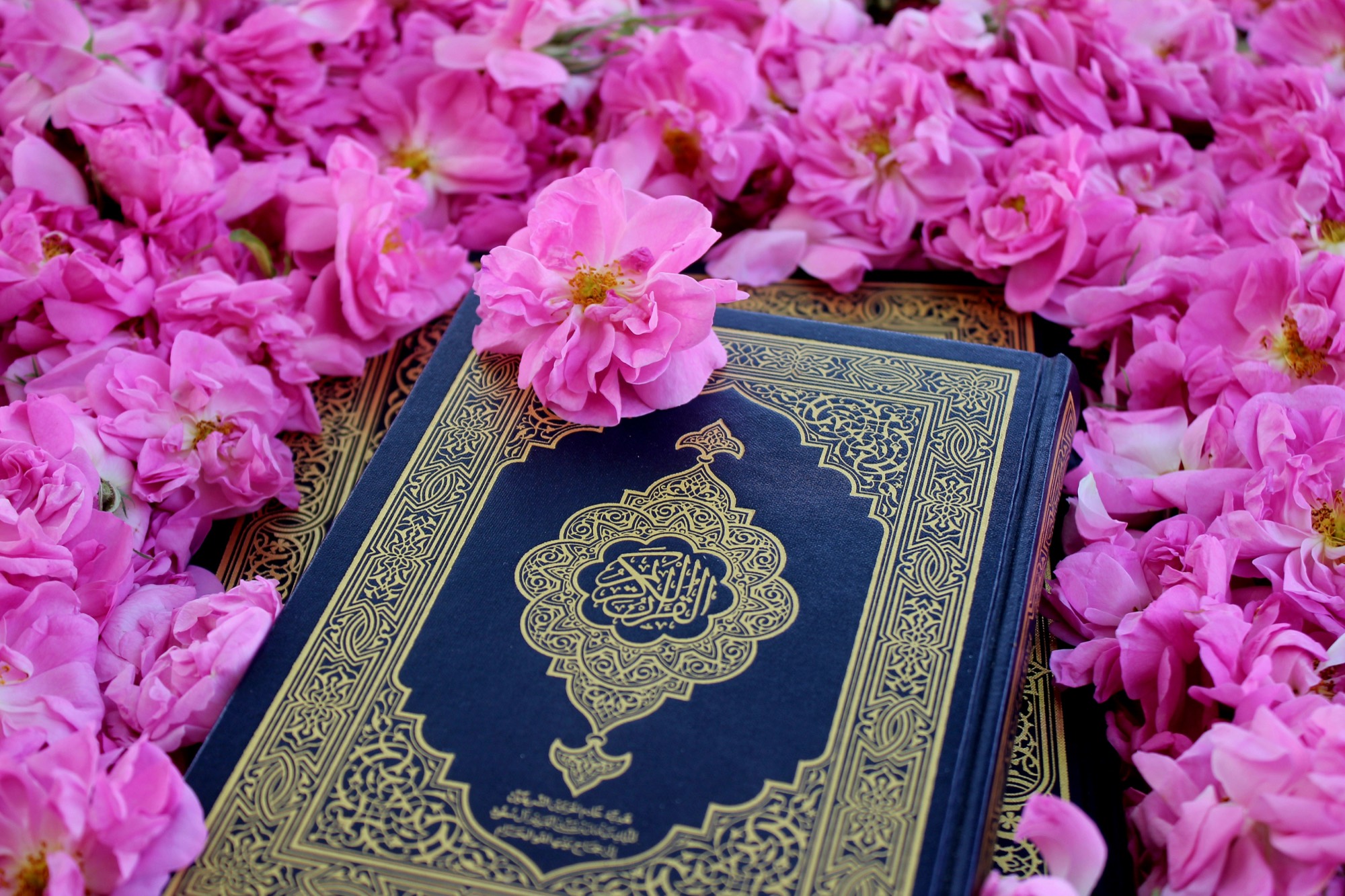

Where Should You Start Memorizing the Qur'an?
Juz 'Amma, Surah Al-Baqarah, or the beginning? A simple answer for beginners, and why the order you pick matters less than you think.
You've decided to start. Then you open the mushaf and stop, because nobody told you where to begin.
The front? The back? The surahs you already half know from salah? It feels like a big decision, and people put it off for weeks.
Here's the good news: this choice matters far less than you think. There is one answer that works for almost everyone, and once you know it you can stop worrying and start.
The short answer
Start with Juz 'Amma — the last juz of the Qur'an.
That's the thirtieth part, holding the short surahs from Surah An-Naba to Surah An-Nas. It's the standard starting point in almost every madrasah in the world, and it's the right one for most people.
If you only read one line of this article, that's it. You can stop here and begin tonight.
Why Juz 'Amma is the usual choice
Four simple reasons.
The surahs are short. Many are only three to six lines. You can finish one in a single sitting and feel it go in. That early feeling of "I did it" is worth a lot in the first few weeks, when quitting is easiest.
You already know some of them. You've heard Surah Al-Ikhlas and Surah An-Nas hundreds of times in prayer. Half the work is done before you start, so the first days feel easy rather than frightening.
The rhythm helps you. The short surahs have strong, repeating sound patterns. Your ear picks them up quickly, and that carries a lot of the load.
You can use them in salah straight away. Every surah you learn goes into your prayers the same week. That gives you free review, five times a day, without scheduling anything. It also makes your prayer feel different, which keeps you going.
Should you ever start from the beginning?
Some people want to start at Surah Al-Baqarah and work forwards. It's an understandable wish — it feels tidy.
Be careful with it. Surah Al-Baqarah is the longest surah in the Qur'an. A single page of it can hold more words than several short surahs put together. Starting there means weeks of effort before you finish anything, and most beginners lose heart long before the first milestone.
There is one case where starting at the front makes sense: if you're in a full-time hifz programme with a teacher guiding you daily. Those programmes often begin at Surah Al-Baqarah on purpose, because the student has hours each day and someone watching closely. If that's not you, go to Juz 'Amma.
What about Surah Al-Mulk and Surah Al-Kahf?
These two come up a lot, and both are good choices for a slightly different reason.
Surah Al-Mulk is thirty verses and sits right beside Juz 'Amma. There's a well-known narration that it intercedes for the one who recites it, and many people memorize it early for that reason.
Surah Al-Kahf is longer, and lots of Muslims already read it on Fridays. If you read it weekly anyway, you have a built-in review habit — which is a real advantage.
Both are sensible after Juz 'Amma, or alongside it. Neither is a better starting point than the short surahs.
The order that works for most people
If you want a simple plan, use this one:
- Juz 'Amma — the short surahs you'll use daily in salah
- Surah Al-Mulk — short, well-loved, sits next door
- Surah Al-Kahf — if you read it on Fridays already
- Juz 29, then 28 — working backwards through shorter juz
- Surah Al-Baqarah onwards — once you've built the habit
Notice what this does. It gives you short wins first, then slowly longer material, and leaves the hardest part until you've already proved to yourself that you can do this.
The thing that actually matters
Here's the part people miss while they're busy choosing.
Your order barely affects the outcome. Your consistency decides everything.
Someone who memorizes Surah An-Nas tonight and keeps going daily will be far ahead, in a year, of someone still deciding where to begin. The surah you pick is worth a few days. Starting six weeks late costs you six weeks.
So if you're stuck between two options, pick either one and begin. You can adjust later, and nothing is wasted.
Before you start the first surah
Two small things that save a lot of trouble.
Make sure you can read the page correctly. You don't need perfect Arabic, but you do need to decode the words properly, not guess. If you learn a word wrong, you'll repeat it for years without ever hearing the mistake. Should you finish nazra before hifz covers how much reading ability you really need.
Listen to the surah before you memorize it. Two or three times, following along in the mushaf. This fixes your pronunciation before anything sets. Using audio properly explains how to do this without slipping into passive listening.
How much to take on day one
Keep it small. Smaller than feels right.
Three to five lines a day is a good starting portion. For most of Juz 'Amma, that's a short surah or half of one. If you can still recite yesterday's lines cleanly the next morning, your amount is right. If you can't, cut it.
That's the whole test, and it beats any number someone gives you. How much to memorize per day goes into it properly.
A common worry
People sometimes ask whether memorizing out of order is disrespectful, since you're learning the back of the mushaf first.
It isn't. Memorizing in parts, in whatever order suits the student, is how hifz has been taught for centuries. The Qur'an itself was revealed over twenty-three years, not in the order it now sits in the mushaf. Starting with the short surahs is normal, accepted, and what most huffaz did.
Frequently asked questions
Where should I start memorizing the Qur'an? Start with Juz 'Amma, the last juz, which holds the short surahs from An-Naba to An-Nas. It's the standard starting point in most madrasahs because the surahs are short, you already know several from prayer, and you can use them in salah straight away.
Which surah should I memorize first? Most people begin with the shortest surahs at the very end — An-Nas, Al-Falaq and Al-Ikhlas — because you've heard them so often that much of the work is already done. Any short surah from Juz 'Amma is a fine first choice.
Should I memorize the Qur'an in order from Al-Baqarah? Only if you're in a full-time programme with a teacher guiding you daily. Surah Al-Baqarah is the longest surah, so starting there means weeks of work before your first finished surah, and most beginners lose heart before that point.
Is it wrong to memorize the Qur'an out of order? No. Memorizing in parts and in whatever order suits the student is how hifz has been taught for centuries. The Qur'an was revealed over twenty-three years rather than in the order it sits in the mushaf, and most huffaz began with the short surahs.
How long does Juz 'Amma take to memorize? It varies a lot with your pace and how many surahs you already know. At three to five lines a day, most people take several months — and the first few surahs usually go fastest because you've heard them so often.
Should I memorize Surah Al-Mulk or Al-Kahf early? Both are good choices after Juz 'Amma. Al-Mulk is short and sits right beside it. Al-Kahf suits you well if you already read it on Fridays, since that gives you a built-in review habit. Neither is better than the short surahs as a starting point.
What if I can't decide where to start? Pick Juz 'Amma and begin tonight. The order you choose is worth a few days; delaying while you decide costs weeks. You can always adjust later, and nothing you memorize is wasted.
The first weeks are when a small mistake is easiest to make and hardest to notice, because nobody is listening yet. Hufaaz hears you recite from memory, catches the exact word you get wrong, and plays the correct version in your chosen Qari's voice.
Conclusion
Go to the back of the mushaf and start with the short surahs. Learn three to five lines a day. Put each new surah into your prayers the same week.
That's it. The plan doesn't need to be cleverer than that, and the people who finish are rarely the ones who picked the smartest order — they're the ones who started early and kept going.
If you'd like something to keep track of what's due as you go, Hufaaz is free on Google Play. May Allah make the first surah easy and the rest easier.